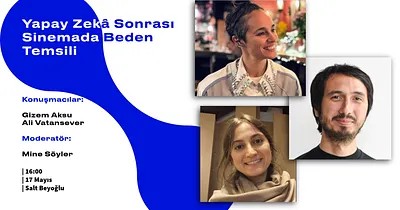
7th Istanbul International Experimental Film Festival
Salt Galata
Intimate, urgent, and vulnerable… These are perhaps the words that best describe the festival’s First Experiment category, composed of filmmakers making their first films. These works confront the energy of a first encounter with cinema through loss, identity, and the strangeness of memories that cross boundaries. These are films that have not yet learned what they are not supposed to do—and that is precisely why we love them.
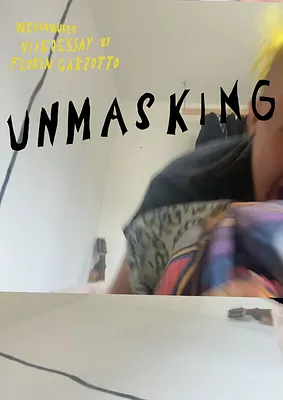
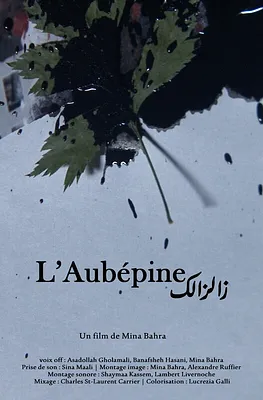
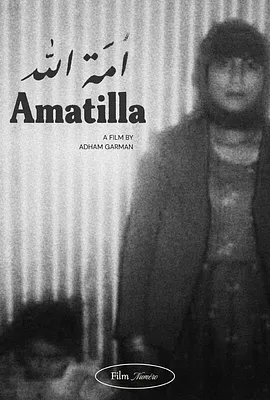
Spanning continents, these films engage with themes of authoritarianism, labor, and colonial memory, locating political resistance within everyday life—and more importantly, refusing to look away from it.
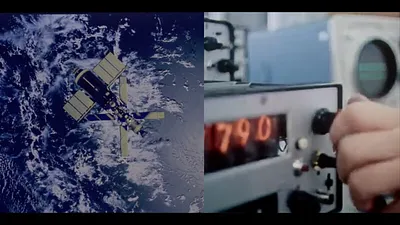
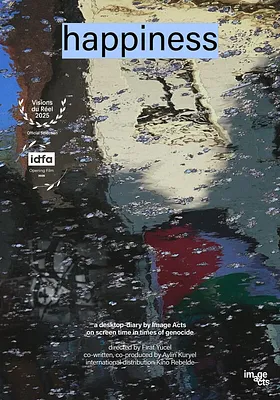
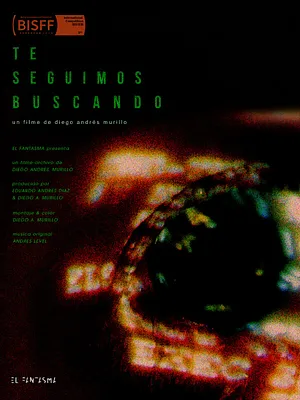
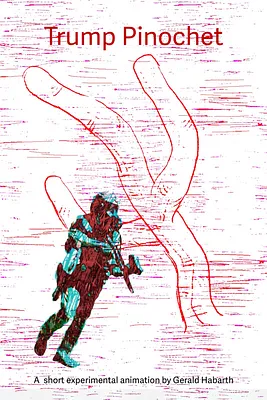
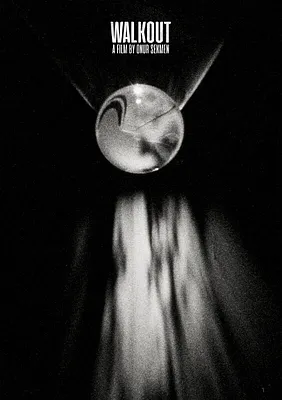
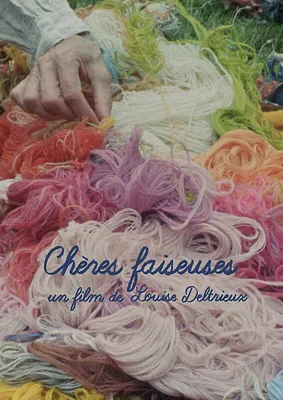
Here, memory is not a fixed record but a material that bends, fades, and resists stillness. Through found footage: the creative life of a lost father, the languages of a grandmother slowly forgotten, a landscape bearing the traces of those who touched it, and a voice breaking free from silence. These films do not ask what we remember, but what remembering does to us.
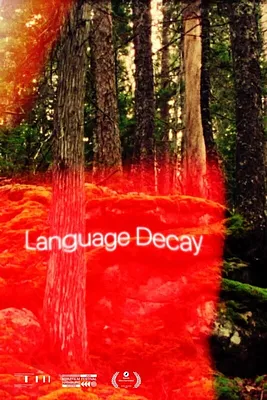
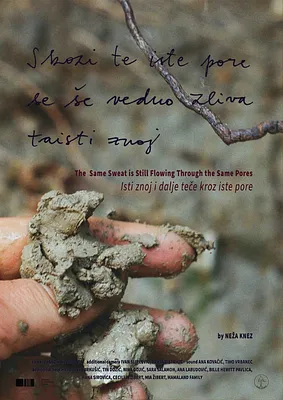
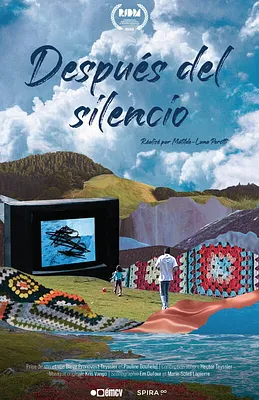
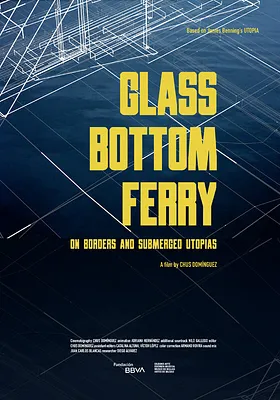
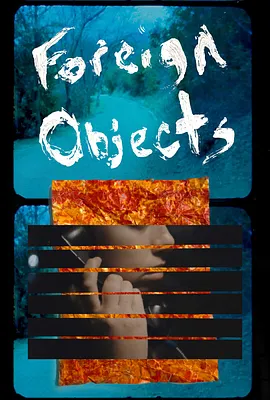
Atölye 5554
The body on screen, the irreversible act, the necessity to create even when nothing remains. These four works blur the boundary between film and performance: an artist trapped in an endless cycle of creation and erasure, a woman in conflict with a machine, an actor paralyzed by choices, and two sisters bidding farewell through dance to a house they can no longer inhabit.
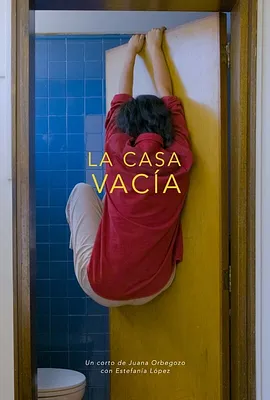
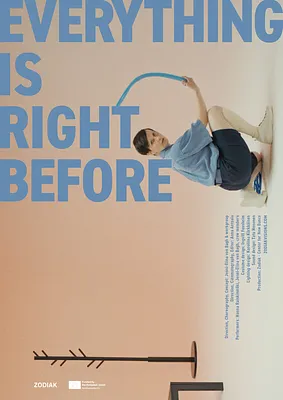
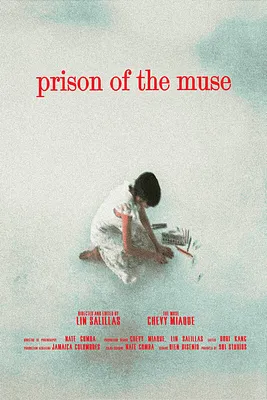
A winter ritual in Spain where villagers transform into devils in the dark; a woman kneading the ashes of a lost loved one with her body to remain close to them; a body shifting across geographies of species and dreams. The films in this selection approach cinema not as spectacle but as ritual, inviting the viewer into these rites.
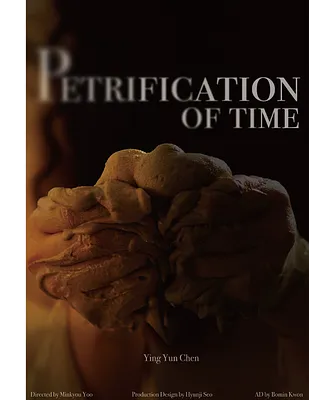
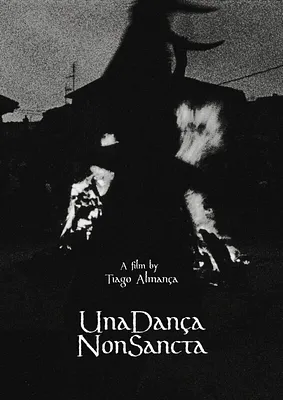
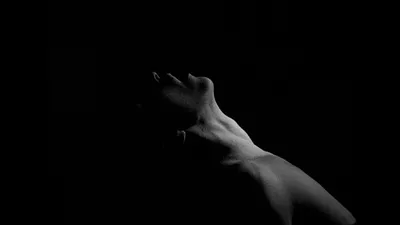
The films in this selection approach the body not as a fixed entity, but as a process in constant transformation, fragmentation, and reconfiguration. Moving between memory, technology, desire, and trauma, the body becomes not only a surface of representation, but also an archive and a site of struggle. As image and sound intertwine, bodies dissolve, multiply, and reform; the boundaries between human and machine, organic and artificial, blur. As identity loses its fixity within this fluidity, the body transforms into a field of possibilities that exceeds its own limits. Re-Invention of the Body invites us to reconstruct the body by focusing not on representation, but on transformation.