7th Istanbul International Experimental Film Festival
Salt Galata
No Exit, Only Repetition examines the irreversible flow of time and the image trapped within it, bringing together the fragility of the medium and the transience of life in a single movement. The cycles constructed in these films go beyond repetition; by making repetition itself the core of production, they generate entirely new narrative forms.
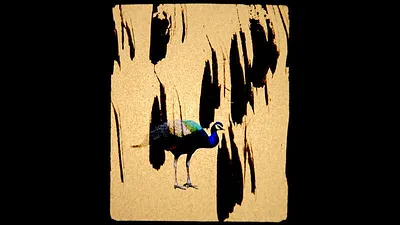
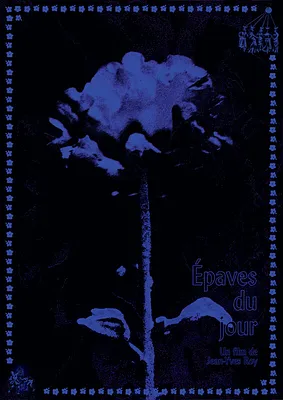
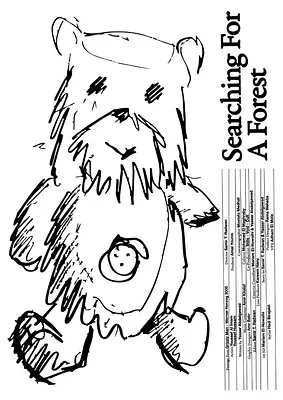
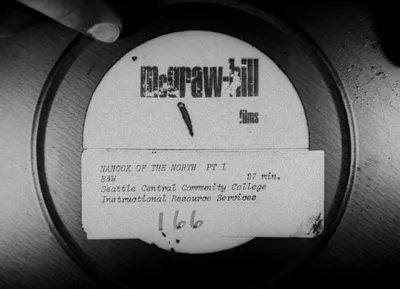

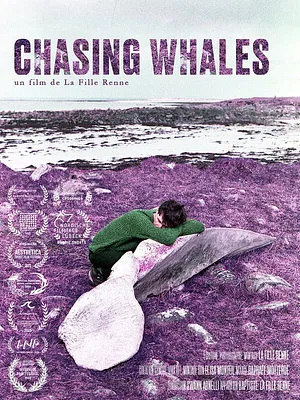
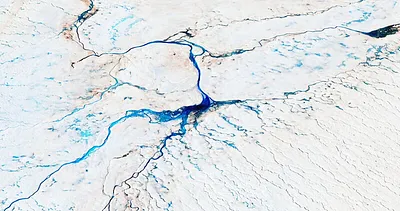
The second selection of the Ecocinema program explores humanity’s ancient and fragile relationship with nature through three films that adopt water as a shared language. Lithuanian filmmaker Miglė Križinauskaitė’s poetic essay Does the Sea Have a Heart? investigates an existential connection with the sea using only traces in the sand and echoes—without a single human figure. Canadian filmmaker Ella Morton’s 29-minute documentary An Uncertain Eternity follows the journey of melting glaciers from Greenland’s Ilulissat Icefjord to the shores of Newfoundland, conveying their shifting political, social, and spiritual meanings through the voices of both Greenlanders and Newfoundlanders. French filmmaker La Fille Renne’s short experimental documentary Chasing Whales traces a route from Norway to the Faroe Islands, Orkney, and the Hebrides, examining past and present relationships with whales through the ruins of former whaling stations, addressing hunting practices and the damage inflicted on marine ecosystems with deep melancholy. Together, these films create a shared mourning for the planet’s increasingly narrowing future.
This selection brings together four films that adopt archival footage, found material, and re-editing as common tools, examining how history is written, whose voices are recorded, and through which images reality is constructed. Taken together, these films insist that the archive is not a neutral witness, but that fiction produces itself—that the fiction of fiction is, in fact, real.
![[sun]film](https://d1wk3zeo1icknv.cloudfront.net/g1ad72mvv8wogtvf1jq0vudwnu96)
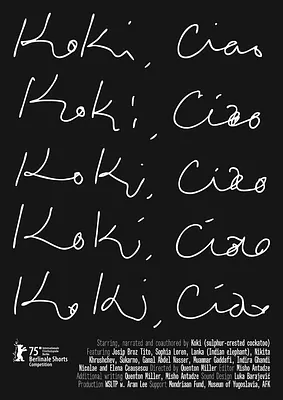
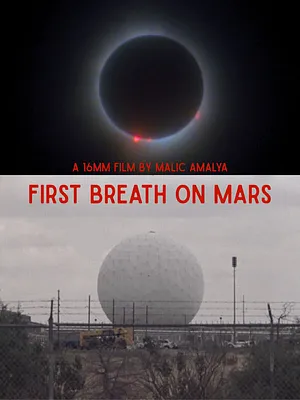
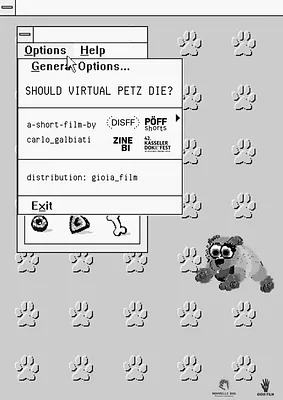
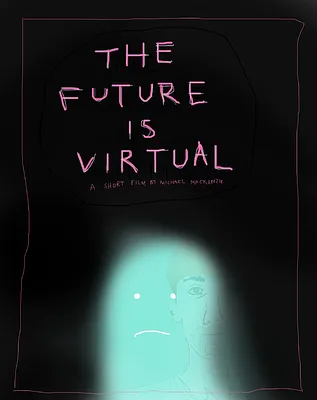
What does it mean to lose a virtual pet? How is it possible to empathize with a worm? What does it mean to want to exist purely as data, outside the body, while carrying a deep longing for human connection? These four films approach the digital not as a distant future, but as the very fabric of our present lives. Playful, melancholic, quiet yet urgent, they question whether the promised future is truly the future we have.
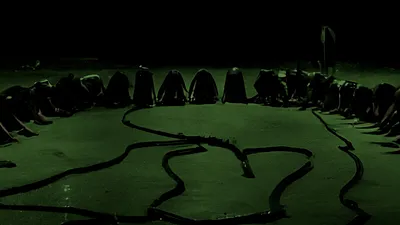
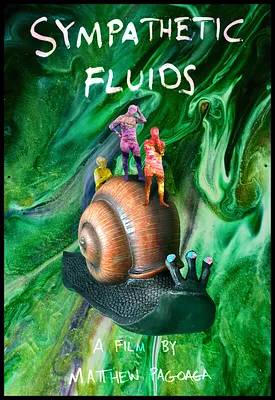
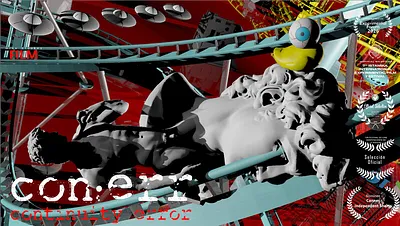
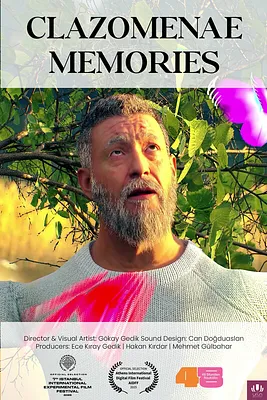
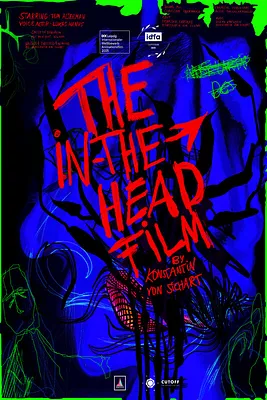
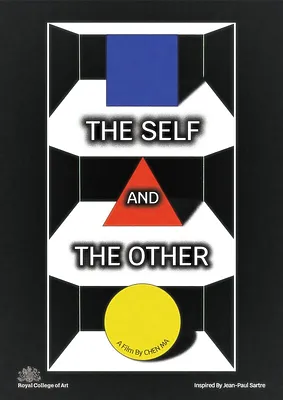
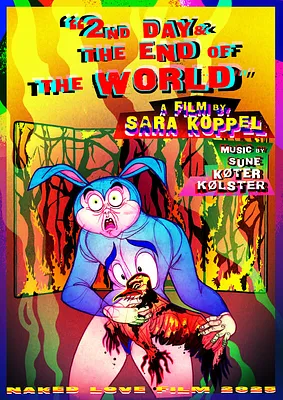
The program Sound, Light & Algorithm begins with the death of the camera. The six films gathered at this threshold treat sound and image not as accompanying elements, but as flows that continuously produce, disrupt, and transform one another. From pixel fragmentation to feedback loops, from algorithmic forms’ relationship with nature to cameraless production and virtual battlefields, these works circle around a single question: when does the tool become a subject in its own right?